Exploring Safe Tattoo Anesthesia Practices
- Crystal Jefferson
- 5 hours ago
- 3 min read

Getting a tattoo is an exciting journey. But for many, the pain can be a real barrier. That’s where tattoo anesthesia comes in. It promises a more comfortable experience, especially for large-scale body art. But the big question remains: is tattoo anesthesia safe? I’ve dug deep into this topic to share what you need to know.
Understanding Safe Tattoo Anesthesia Practices
Tattoo anesthesia is not just about numbing the skin. It’s a medical procedure that requires precision and care. Safe tattoo anesthesia practices involve using the right type of anesthetic, administered by trained professionals. This ensures the process is effective and minimizes risks.
There are different types of anesthesia used in tattooing:
Topical anesthetics: Creams or gels applied to the skin before tattooing.
Local injections: Numbing specific areas with an injection.
Nerve blocks: Targeting larger areas by blocking nerve signals.
Each method has its place depending on the tattoo size, location, and individual pain tolerance. The key is to choose a method that suits your needs and is administered safely.

When done correctly, anesthesia can reduce pain significantly. This allows artists to work longer and more precisely, especially on large or detailed tattoos. It also helps clients stay relaxed, making the whole experience better.
Is it safe to go under anesthesia for a tattoo?
Many wonder if going under anesthesia for a tattoo is safe. The answer depends on the type of anesthesia and the setting. General anesthesia, which puts you completely to sleep, is rarely used for tattoos. It carries more risks and requires medical supervision.
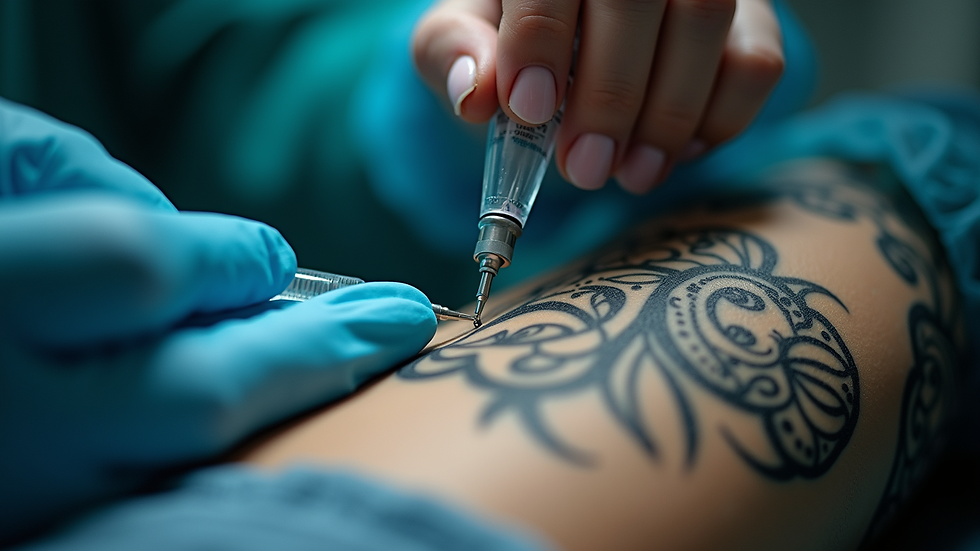
Local anesthesia, on the other hand, is commonly used and generally safe. It numbs only the area being tattooed. This method has fewer side effects and a quicker recovery time. However, it must be administered by a qualified professional who understands the anatomy and potential complications.
Before any anesthesia, a thorough health assessment is crucial. This includes checking for allergies, skin conditions, or medical issues that could affect safety. Communication between the client, artist, and anesthetist is essential to ensure the best outcome.
What are the risks and how to minimize them?
Like any medical procedure, tattoo anesthesia carries some risks. These can include:
Allergic reactions to anesthetic agents
Skin irritation or damage
Infection if hygiene is not maintained
Nerve damage if injections are not precise
To minimize these risks, follow these practical tips:
Choose a reputable provider: Look for professionals trained in administering tattoo anesthesia.
Discuss your medical history: Be honest about allergies, medications, and health conditions.
Ensure sterile conditions: The environment should be clean, and all equipment sterilized.
Start with a patch test: For topical anesthetics, test a small skin area first.
Follow aftercare instructions: Proper care reduces infection and promotes healing.
By taking these steps, you can enjoy the benefits of anesthesia with confidence.
How tattoo anesthesia improves the tattoo experience
Pain can limit how long you sit for a tattoo. It can also affect the quality of the artwork. Anesthesia changes that. It allows for longer sessions without discomfort. This is especially important for large-scale tattoos that require multiple hours or visits.
With reduced pain, you can relax more. This helps the artist work more precisely. It also lowers the chance of sudden movements that could affect the design. Many clients report feeling less anxious and more satisfied with their tattoo experience when anesthesia is used.
Moreover, anesthesia can make tattooing accessible to people who might otherwise avoid it due to pain sensitivity. This opens the door to more creative and ambitious body art projects.
What to expect during a tattoo anesthesia session
If you’re considering anesthesia for your tattoo, here’s what typically happens:
Consultation: Discuss your tattoo plan, health history, and anesthesia options.
Preparation: The area is cleaned and prepped. A patch test may be done.
Application: The anesthetic is applied or injected carefully.
Tattooing: Once numb, the artist begins the tattoo.
Monitoring: The professional monitors your response throughout.
Aftercare: Instructions are given to care for the tattoo and skin.
The whole process is designed to be smooth and safe. You should feel comfortable asking questions and expressing any concerns.
If you want to learn more about is tattoo anesthesia safe, this resource offers detailed insights and expert advice.
Moving forward with confidence
Tattoo anesthesia is changing the way we approach body art. It makes large, detailed tattoos more accessible and less painful. When done with safe tattoo anesthesia practices, it is a reliable and effective option.
If you’re planning a big tattoo, consider anesthesia as part of your preparation. Talk to your artist and a medical professional about the best approach for you. Remember, safety and comfort go hand in hand.
With the right care, you can enjoy your tattoo journey without fear of pain. Safe tattoo anesthesia practices are here to make that possible.


Comments